.svg)
Pass-through Inspection
Catch defects before they leave your floor. Vision inspection, leak testing, and electrical verification built directly into your line, with automated pass/fail decisions and full traceability.
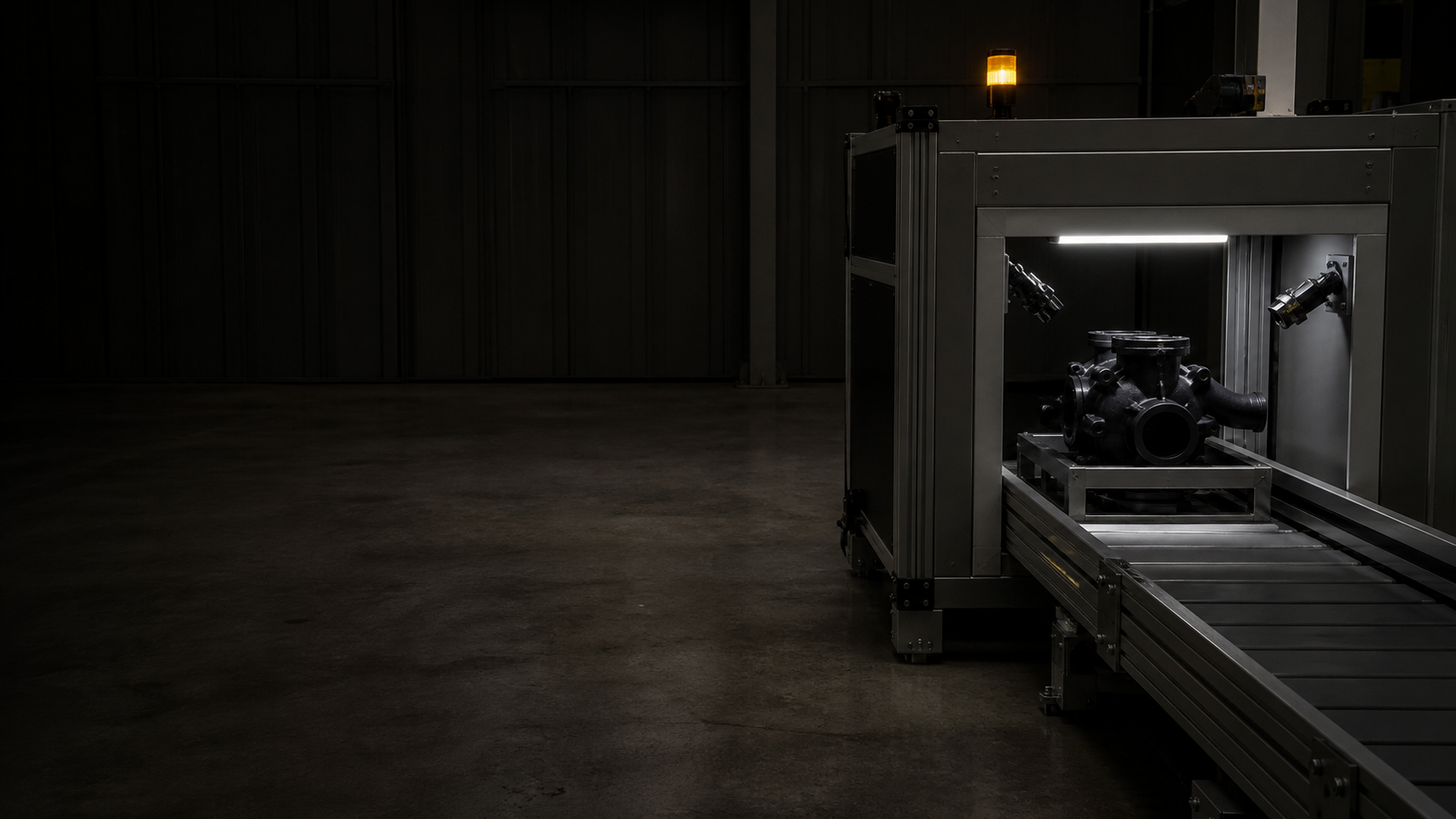
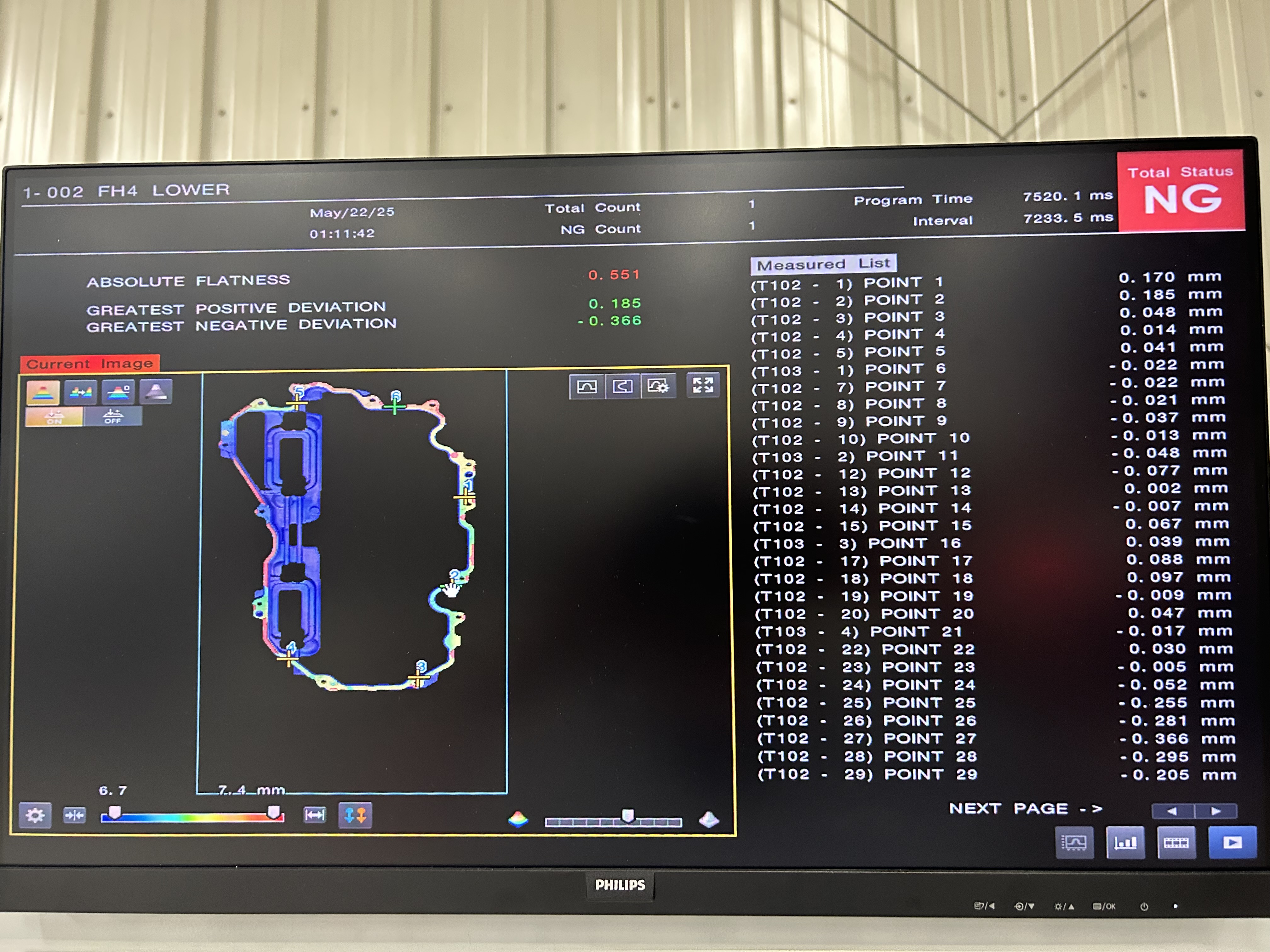
Cameras and AI catch every defect
High resolution cameras scan each part for surface flaws, dimensional drift, and assembly errors. The system learns your product and flags anything outside tolerance.
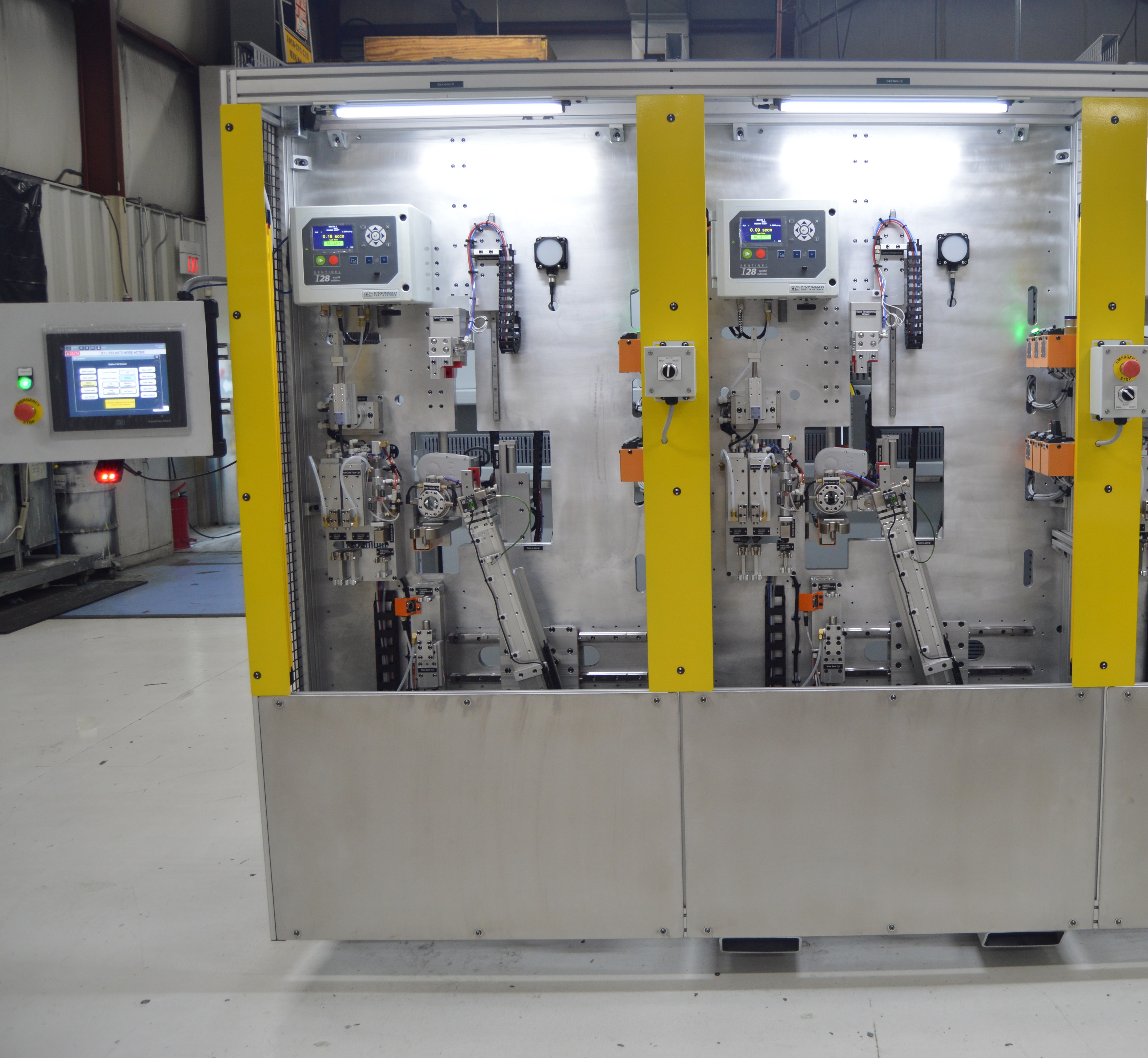
Sealed parts proven tight before shipping
We test every sealed component with pressure decay, mass flow, or helium detection. A bad seal stops the line and the part is rejected.
Pressure decay testing
Mass flow verification
Helium leak detection
Every circuit verified before it moves
Our stations check continuity, resistance, and signal integrity on every unit. A failed circuit is rejected automatically and logged for review.
Continuity checks
Resistance measurement
Functional signal testing
.jpg)
Fewer defects reach customers
Inline inspection pays for itself in reduced scrap and warranty claims.
Defect escape drops to near zero
Bad parts are caught before they ship.
Warranty claims and rework fall
You stop paying for defects in the field.
Production yield improves with data
Inspection data shows where your process drifts.
Trigger
A sensor detects the part entering the station and the inspection sequence starts.
Measure
Cameras, scanners, sensors, transducers, or electrical probes capture data from the part.
Decide
The system compares results to your tolerances and issues a pass or fail.
Document
Every result is logged with a timestamp, serial number, and measurement values.
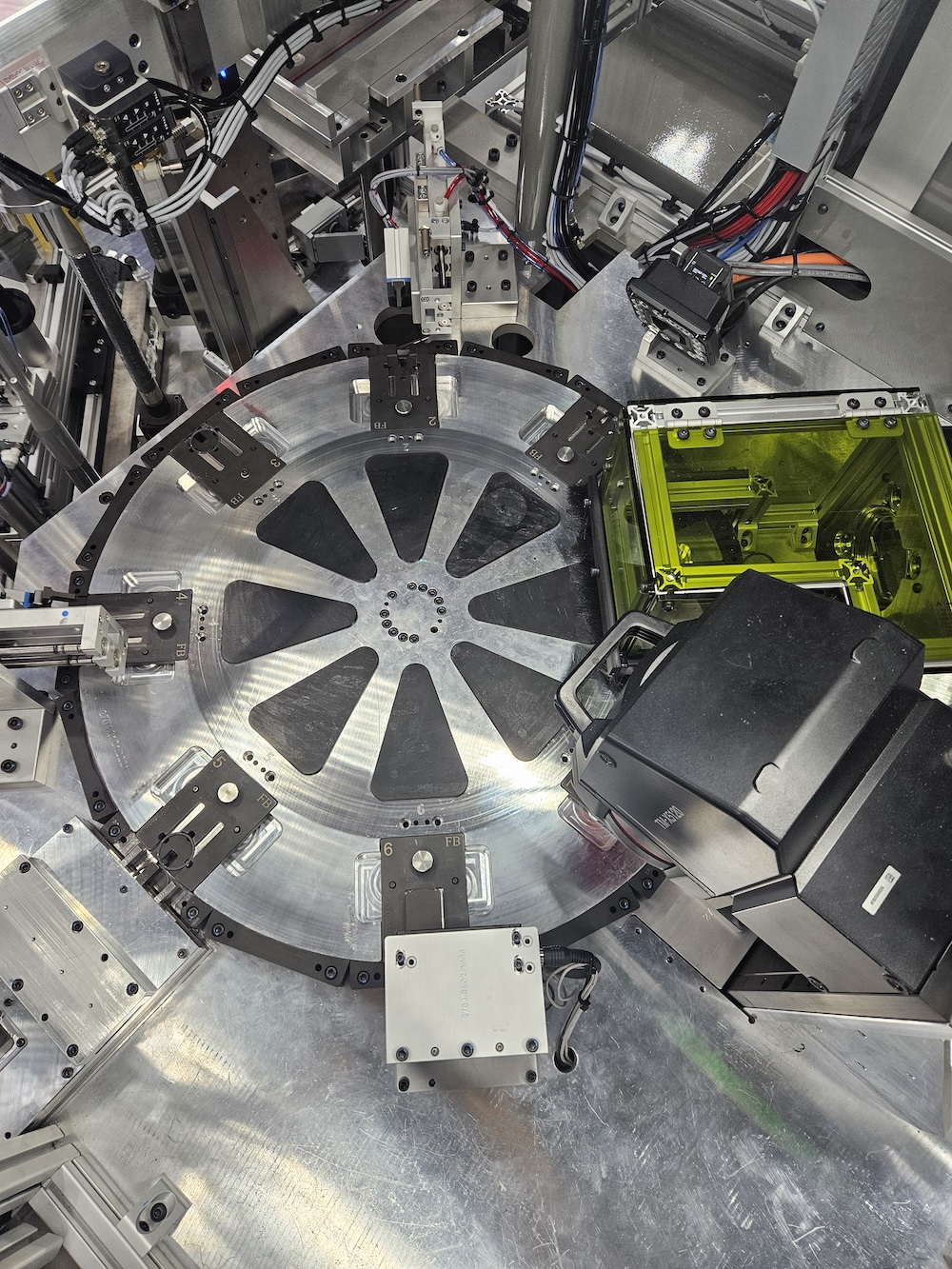
Every part leaves with a record
We log timestamps, measurements, and pass/fail results for every inspected unit. Your quality team gets audit-ready documentation without manual paperwork.
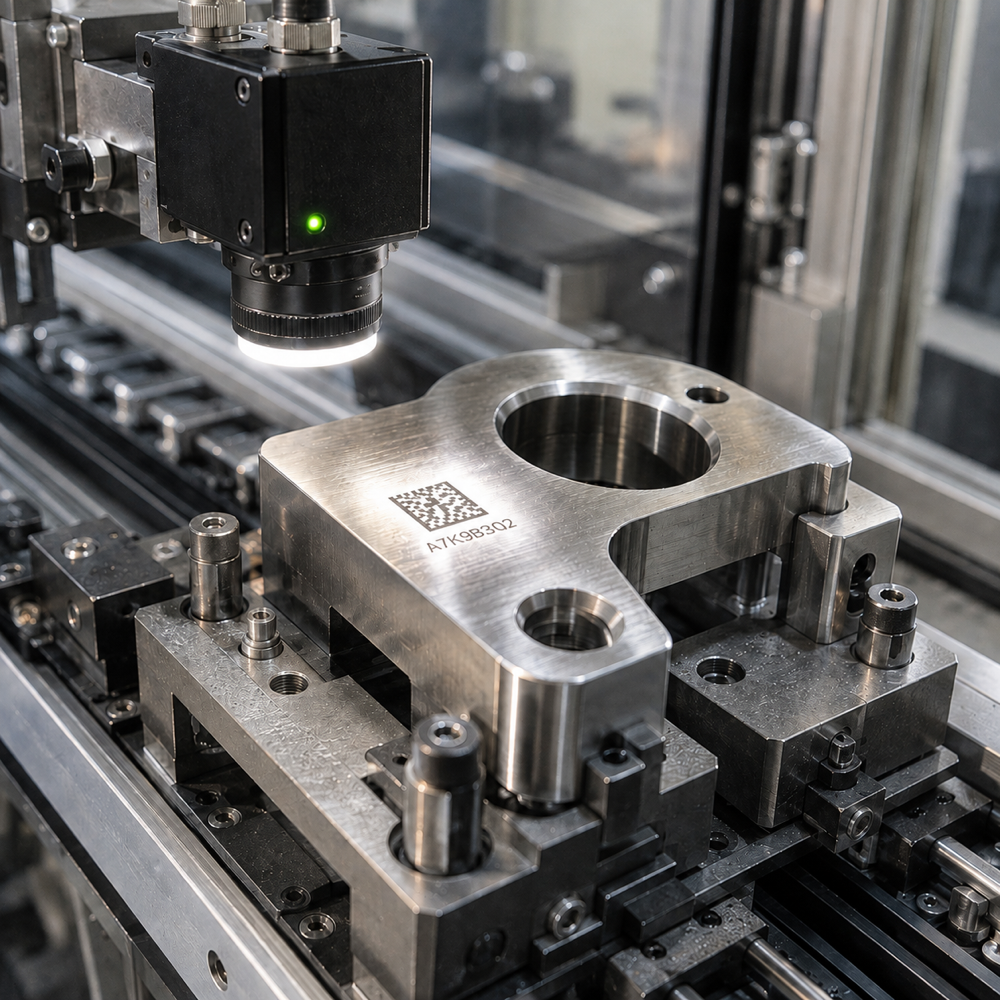
Where documentation is critical
We build inspection systems for regulated and high-volume production environments.
Zero defect programs demand full part verification
Every component is checked before it reaches the line.
Regulatory compliance requires complete traceability
Inspection records support FDA and ISO audits.
Packaging and fill verification protect consumers
Seal integrity and fill levels are checked inline.
What customers say
Results speak louder than promises

The numbers that matter
Four decades of building equipment that works. Hundreds of installations across industries. Systems still running strong.
Years in business
Projects completed
Industries served
Talk to our inspection team
We will assess your line and show you where automated inspection fits.
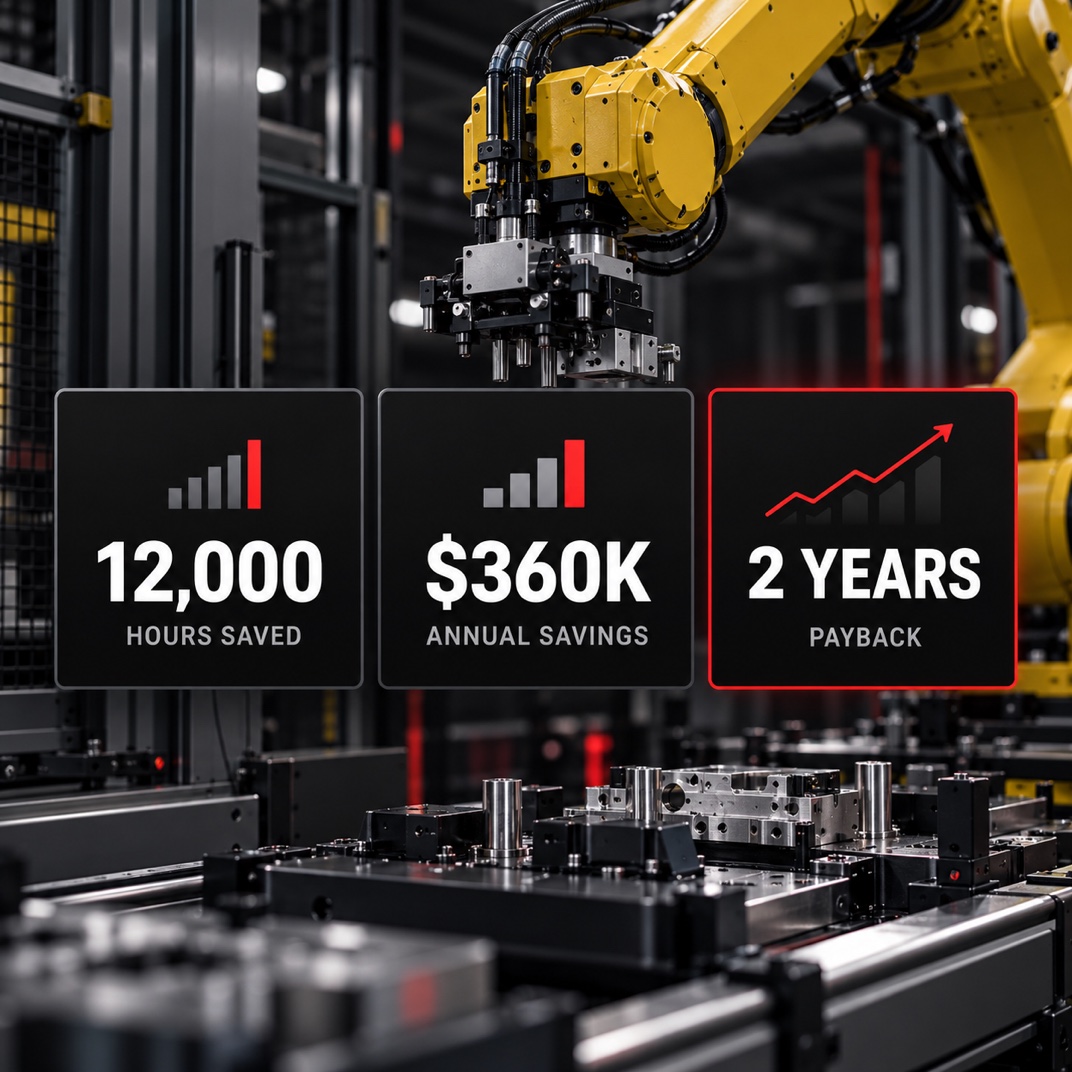
Put the numbers behind your automation investment
Use our ROI calculator to estimate labor savings, annual savings, and payback based on your operation. Build the business case with clear numbers before you commit.
Labor savings
Estimate the labor hours your team can redirect when automation takes on repetitive work.
Payback period
See your projected annual savings and how quickly the system can pay for itself.
FAQs
Straight answers for quality engineers and plant managers planning inline inspection.
Vision, leak testing, and electrical verification all run at production speed. We combine them into one station or spread them across multiple points on your line.
Cycle time depends on part complexity and the number of checks. Most stations keep pace with your existing takt time without slowing the line.
The system diverts them to a locked reject bin or stops the line for operator review. Every rejection is logged with the reason and measurement data.
Yes. We design inspection stations to drop into your current production flow. We handle the mechanical integration, controls, and validation.
Timestamps, serial numbers, measurement values, and pass/fail results for every unit. Your quality team can export the records for audits.
We run gauge repeatability and reproducibility studies before handoff. The station is proven to catch the defects you specify.
Automotive, life sciences, and food and beverage are our most common. Any industry with quality documentation requirements benefits from inline inspection.
It depends on the complexity of the project. Simple single-station systems move faster, while multi-station or highly custom builds take longer to design, build, and install.
Yes. We can bench test with vision systems like Keyence, Cognex, LMI, Banner, and more. We test cameras against your actual parts to confirm they reliably catch the defects you're concerned about. We'll ask you to send both good and bad sample parts so we can validate detection before anything is built into your line.
Yes. We can run a baseline capability study on your existing line to establish where it stands today. That gives us a clear starting point before we recommend inspection upgrades or a new system.
Still have questions?
Talk to an engineer about your inspection requirements.